What we treat

Shoulder, arm & hand pain

Explore care information for the shoulder, elbow, wrist, and hand, including questions to discuss before your visit.

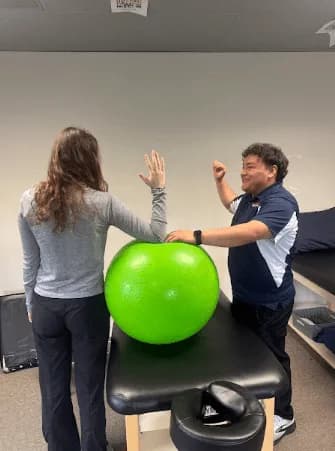
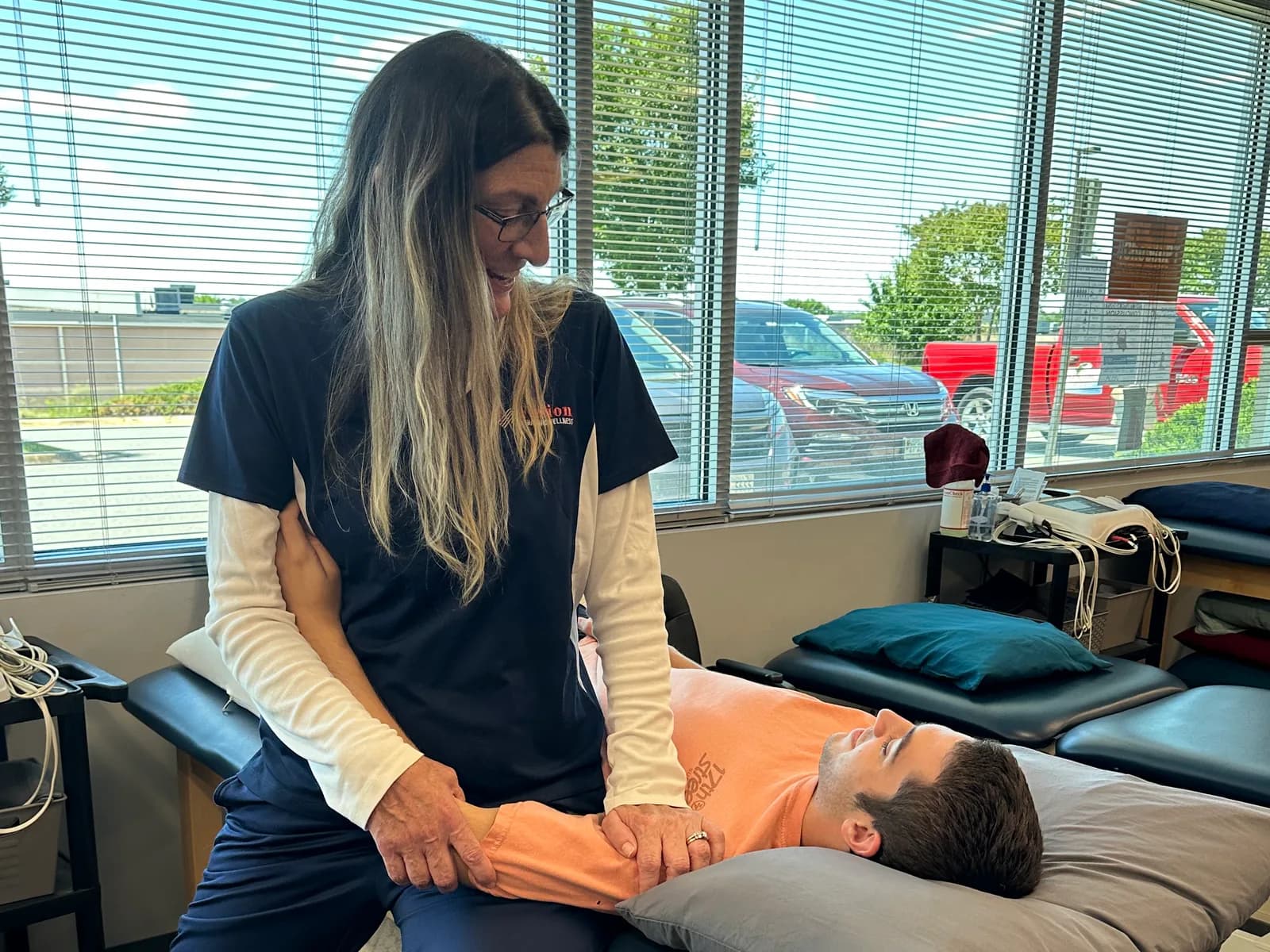
Hands-on guidance of an arm movement on a treatment table.

Overview

Whether gradually creeping up or suddenly sharp after reaching backwards, problematic shoulder symptoms demand attention before escalating to more widespread dysfunction or strains. However, determining optimal solutions amidst conflicting advice often proves confusing. The integrated care team at Fusion Rehab and Wellness brings clarity to shoulder pain relief by pinpointing root causes then delivering customized, progressive treatment combining gentle hands-on care with self-care education for sustained comfort and function.

What Causes Shoulder Pain Issues?

The shoulder joint allows immense movement possibilities through interconnected structures including:

  • Glenohumeral joint – Flexion/extension/rotation
  • Acromioclavicular joint – Upward rotation
  • Sternocostal connection – Retraction/protraction

Repetitive daily strain from poor sustained posture or athletic overuse can disrupt optimal alignment and mobility between these articulations. Muscles, tendons and surrounding connective tissues relentlessly overwork to compensate leading to localized discomfort or referred pain.

Some frequent shoulder dysfunction symptoms include:

  • Rotator cuff tendonitis
  • Bursitis inflammation
  • Impingement pinching
  • Labral tears
  • Dislocations
  • Adhesive capsulitis

Targeted interventions like joint mobilization and soft tissue release apply controlled forces to specific structures showing movement restrictions or tissue sensitivity. These precise techniques help reposition segments, restore normal mobility/flexibility and optimize the environment for healing.

Comprehensive Evaluation of Shoulder Pain

Clarifying the predominant pain generators and mobility restrictions is crucial for effective treatment.
Our assessment may include:

  • Active/Passive ROM – Measure loss in all planes
  • Specialized strength tests – Assess rotator cuff stability
  • Manual joint play palpation – Check joint and soft tissue involvement
  • Neurologic testing – Identify nerve irritation
  • Posture analysis – Evaluate positioning strains
  • Imaging review – Detail tissues requiring treatment

These findings allow proper classification of the issues requiring targeted care for lasting relief.

Customized Treatment for Lasting Relief

We design customized shoulder treatment plans catered to your unique situation and objectives through:

Comprehensive Assessment – Identify exact dysfunctional structures contributing to symptoms so the optimal interventions target and prioritize repairing of the damaged tissues.
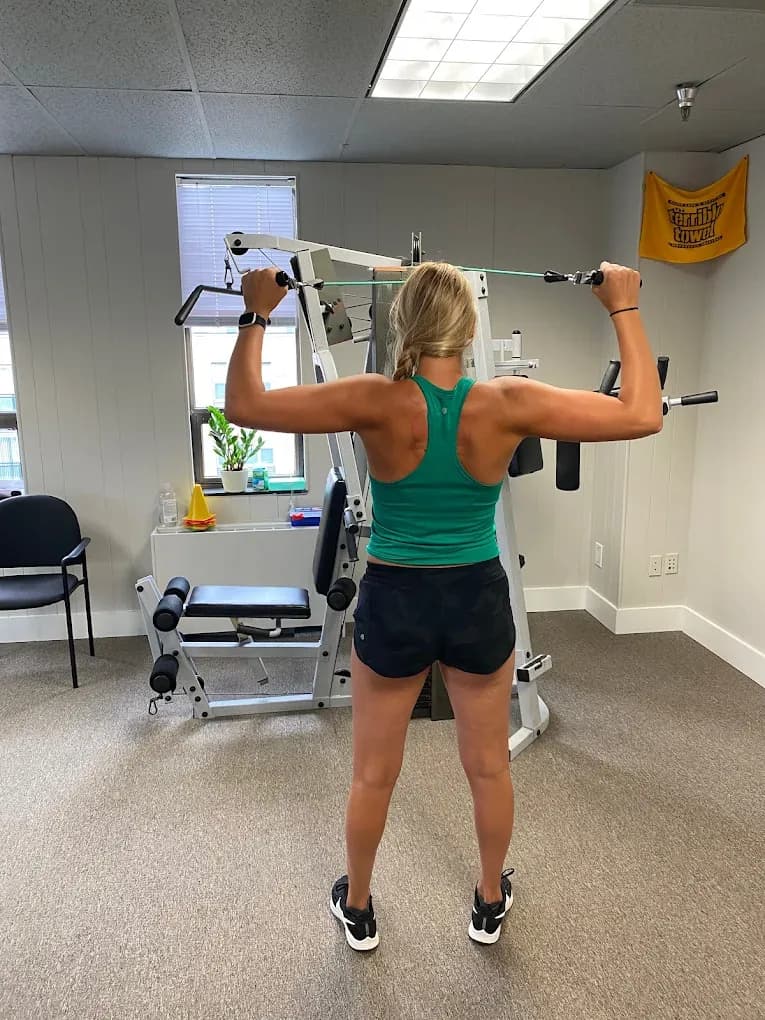
Multi-plane Strengthening – Body blade drills, tubing routines and scapular squeezes rebuild deficient stability and muscular control with minimal discomfort.
Postural Retraining – We normalize positioning strain from desk work/device use and reinforce new patterns through biofeedback.
Patient Education – Empower individuals towards independence and sustained results through customized home programs advancing progress made during appointments.

With the right interventions matched to your shoulder pain diagnosis, rapid improvements in comfort, coordination and range of motion occur. Our supportive team helps guide optimal progression each step of the way.

Elbow, wrist and hand pain

Find information about elbow, wrist, and hand concerns and how care may be planned around daily tasks.

More about elbow, wrist and hand pain

Relieve Elbow, Wrist & Hand Pain

Do you wince when grasping objects due to hand stiffness or pain? Do simple motions like stirring a pot cause forearm muscles to fatigue rapidly? Many factors from injury to poor mechanics can provoke arm and hand problems hindering productivity and daily tasks. At Fusion Rehab and Wellness, our experts meticulously evaluate elbow, wrist and hand pain to pinpoint precise causes often missed on standard exams so customized treatment can begin mending damage before it becomes permanent.

What Contributes to Elbow, Wrist & Hand Pain?

The upper limb performs countless intricate movements each day vulnerable to overuse strain. Some frequent causes of painful upper extremity symptoms include:

Repetitive Overuse – Excessive grasping, gripping or weight bearing through wrists/elbows required in occupations initiates inflammatory cascades.
Poor Ergonomics – Bending wrists awkwardly or leaning on hard surfaces fosters irritation of soft tissues.
Trauma Impact – Falls, collisions or blows directly damaging structures. Fractures require prompt attention before healing complications develop.
Arthritic Changes – Inflammation affects delicate joints disrupting mobility.
Isolating exact perpetuating factors through our advanced diagnostics allows targeted treatment minimizing recovery times.

Comprehensive Upper Extremity Evaluation

The first step at Fusion Rehab and Wellness involves precise diagnosis through advanced clinical evaluation guiding customized care for elbow, wrist and hand pain.

Our licensed physical therapist perform a thorough assessment which may include:

  • Observation of work duties, athletic motions or everyday tasks placing strain on the upper limbs to isolate problematic activities. We analyze loading forces and repetitive movements.
  • Evaluation of posture, shoulder positioning and common movement patterns that may contribute to muscular overactivity, tissue irritation and imbalance.
  • Manual testing of wrist, elbow and finger joint flexibility in addition to muscle strength and endurance capacity around affected areas to quantify specific mobility limitations or weaknesses.
  • Specialized orthopedic and neurological tests assessing for indicators of nerve compression affecting sensation, vascular supply or motor coordination allowing us to differentiate causation.
  • Careful review of your past injury history, previous treatments and aggravating/easing factors influencing current discomfort levels.

These quantitative and qualitative findings allow our team to accurately classify the primary generators of pain and pathoanatomical origin so we can deliver integrated care addressing root causes rather than just dampening symptoms temporarily.

FAQs: Elbow, Wrist & Hand Pain

What tends to cause hand, wrist and elbow pain?
Repetitive strain from occupational tasks or athletic overuse often provokes inflammatory tendonitis. Trauma like falls onto outstretched hands can fracture scaphoid bones requiring prompt surgery. Even suboptimal postural positioning daily strains supportive joint structures.

Experience Relief & Recovery at Fusion Rehab and Wellness

If pain, stiffness or functional deficits are affecting your upper limb productivity, the integrated care experts at Fusion Rehab and Wellness offer customized restorative treatment combining multiple healing modalities to target the root causes of elbow, wrist and hand discomfort.

By addressing underlying postural factors, ergonomic breakdowns or tissue damage, our hands-on specialists develop personalized plans to alleviate inflammation and reinforce healthy mechanics so you can maintain strong, resilient hands, wrists and elbows for years to come.

Questions about elbow, wrist and hand pain

How can I find relief from this nagging arm/wrist pain?

Our specialists offer multi-disciplinary intervention from targeted extremity adjustments easing muscle tension to custom orthotic devices redistributing destructive pressures – most importantly addressing root causes of compensation imbalance versus just treating localized symptoms short-term.

When should I become concerned about persistent hand and arm discomfort?

Sharp trauma impact warrants urgent evaluation to avoid bone healing complications from overlooked injuries. Signs like progressive stiffness, swelling or trouble lifting objects require examinations to halt cumulative joint damage before permanent arthritis sets in.

How can I tell if elbow soreness is serious?

Warning signs of serious elbow injury include visible bruising/deformity, the inability to fully extend/flex the arm and catching/locking during rotation. Extreme pain with light palpation also indicates possible fracture versus strain warranting prompt diagnosis and management.

Rotator cuff tears

Explore information about rotator cuff injuries and the questions to raise before your visit.

More about rotator cuff tears

Effective Rotator Cuff Tear Therapy

Struggling with shoulder pain, weakness, or limited mobility? A rotator cuff tear can turn simple movements into painful challenges, making everything from lifting objects to reaching overhead feel impossible. Without proper treatment, symptoms can worsen—leading to chronic pain, reduced function, and even the need for surgery.

At Fusion Rehab and Wellness in Virginia, our specialized rotator cuff therapy programs are designed to relieve pain, restore strength, and rebuild mobility—so you can move freely and confidently again.

Rotator Cuff Rehab: Relieve Pain, Restore Strength, Regain Movement

A rotator cuff tear can cause:

  • Persistent shoulder pain—worse at night or with movement.
  • Weakness when lifting, reaching, or carrying objects.
  • Clicking or popping sensations in the shoulder.
  • Limited range of motion and stiffness.
  • Difficulty performing daily tasks and sports activities.

Why Early Treatment is Critical

Ignoring a rotator cuff injury can lead to progressive weakness, frozen shoulder, or irreversible joint damage. Our therapy programs target the root cause of pain and dysfunction, helping you recover without surgery whenever possible.

What Makes Fusion Rehab and Wellness Different?

Every rotator cuff tear is unique. Your rehab plan should be too. We take a patient-first approach, customizing treatment to fit your condition, goals, and lifestyle.

1. Comprehensive Evaluation & Diagnosis
A detailed movement and strength assessment ensures we create the most effective treatment plan for you. This includes:

  • Joint stability and strength testing to assess muscle imbalances.
  • Range of motion and flexibility analysis to identify restrictions.
  • Postural and movement assessments to correct improper mechanics that contribute to injury.

2. Targeted, Results-Driven Treatment Plans
Our approach goes beyond temporary pain relief—we aim to restore long-term function and strength. Treatment focuses on reducing inflammation and improving mobility through manual therapy and soft tissue techniques.

Targeted rotator cuff strengthening exercises are used to rebuild shoulder stability, while pain management methods like ultrasound, heat therapy, or kinesiology taping provide additional relief. To prevent re-injury and improve overall shoulder mechanics, we also incorporate posture and movement correction tailored to your needs.

3. One-on-One Therapy Sessions for Maximum Recovery
You’ll work directly with a specialist every session, ensuring:

  • Proper exercise technique to prevent further injury.
  • Hands-on adjustments and progress tracking for optimal recovery.
  • Education on self-care strategies so you stay strong and pain-free long after therapy ends.

Treatment Benefits of Rotator Cuff Physical Therapy

Pain Relief
Physical therapy can significantly reduce pain associated with rotator cuff injuries. Through targeted exercises and manual therapy techniques, inflammation and discomfort are minimized, allowing for a more comfortable recovery.

Improved Range of Motion
Therapeutic exercises help restore the shoulder’s range of motion, making it easier to perform daily activities. Stretching and mobility exercises are designed to increase flexibility and prevent stiffness.

Strengthening Muscles
Physical therapy focuses on strengthening the muscles around the shoulder joint, which helps support and stabilize the rotator cuff. This increased strength can prevent further injuries and improve overall shoulder function.

Enhanced Functionality
By improving strength, flexibility, and range of motion, physical therapy enhances the overall functionality of the shoulder. Patients can return to their normal activities with greater ease and confidence.

Non-Surgical Treatment Option
For many individuals, physical therapy can be an effective alternative to surgery. It provides a non-invasive approach to healing and recovery, often leading to significant improvements without the need for surgical intervention.

Questions about rotator cuff tears

How do I know if I have a rotator cuff tear?

Common signs include shoulder pain (especially with overhead movements), weakness when lifting, and clicking or grinding sensations. A professional evaluation at Fusion Rehab and Wellness can confirm your injury and guide you toward the right treatment.

Can a rotator cuff tear heal without surgery?

Many partial tears heal fully with structured physical therapy. Full tears may require surgery, but pre-surgical and post-op therapy are critical for the best outcome. We will evaluate your condition and recommend the most effective approach.

How long does recovery take?

Most patients recover within 6-12 weeks, but timelines vary based on injury severity and commitment to therapy. Your customized rehab plan will set clear progress goals and milestones.

Services that may be part of care

Choose a clinic

Questions people ask

How can I determine if shoulder discomfort requires prompt evaluation?

Warning signs justifying examination include trauma/falls onto the shoulder, noticeable bruising down the arm, intense localized pain at rest and night pain preventing sleep since these may involve fractured bones, dislocated joints or extensive tendon/labrum tears warranting early intervention.

What can ease this recurring shoulder ache?

Non-invasive relief from nagging impingement comes through targeted manual release techniques loosening irritated tendons/bursa, postural adjustments correcting muscle imbalances/poor mechanics and conservative rotator cuff conditioning routines enhancing support without overworking inflamed areas during early healing stages.

What explains arthritic-like shoulder soreness without a specific injury?

Gradual ‘wear and tear’ shoulder arthritis emerges due to the glenohumeral’s inherently unstable anatomy and repetitive microtrauma from daily tasks involving pushing, pulling and overhead reaching slowly thinning cartilaginous surfaces critical for frictionless joint movement ultimately resulting in painful bone-on-bone grinding.

Why might the top of my shoulder (trapezius ridge) feel painful?

The trapezius muscle extending along the spine/shoulder blade/neck bears the burden of prolonged upper extremity activity leading to tension myalgia and trigger points radiating discomfort upwards generating headaches, stiffness and restricted shoulder mobility until muscular release techniques improve circulation/drainage.

Related reading

Ready to talk with your local team?

Choose your clinic and send a request. The team will follow up to discuss scheduling and your questions.