
Services
Hands-on care and supporting treatment techniques.
Learn about the approaches your therapist may consider as part of an individual care plan, and ask your clinic which services are available.
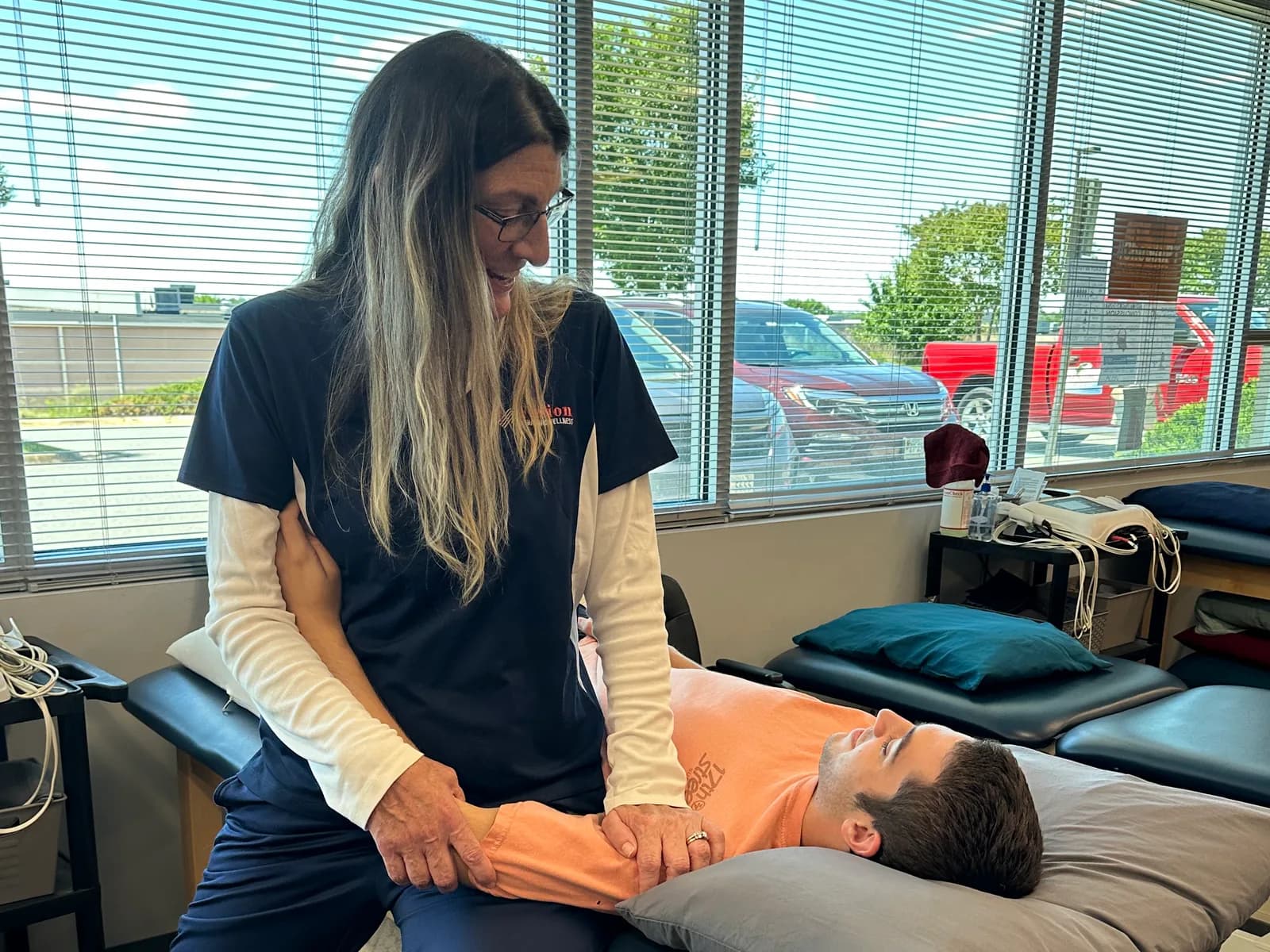
Overview
Manual therapy is hands-on treatment. Your therapist may use joint mobilization, soft tissue techniques and the supporting approaches below alongside exercise, as part of an individual plan.
Each technique is described from Fusion's existing pages. Ask your clinic which are available and whether they fit your care.
Who this service is for
Manual therapy benefits both acute and persistent cases across:
- Chronic low back and neck dysfunction
- Joint mobility limitations from injury
- Neurogenic claudication
- Myofascial trigger points
- Postural dysfunction with pain
- Muscular imbalance perpetuating pain
Essentially anyone experiencing painful movement impairments or mobility losses from past trauma, poor mechanics, overuse or arthritis that standard corrective exercises have failed at resolving can find lasting relief through manual therapy.
Cupping
Cupping places suction cups on the skin to increase blood flow to an area and ease muscle tension. Your therapist may use it alongside other hands-on treatment.
Who Can Benefit from Cupping Treatments?
Cupping therapy caters to both athletes seeking faster injury recovery as well as those managing chronic conditions like:
- Back and neck pain
- Migraines and digestion issues
- Arthritis, tendonitis, fibromyalgia
- Fatigue, insomnia, stress disorders
- Asthma, respiratory conditions
- Skin issues like eczema or acne
Questions about cupping
What conditions does cupping address?
From chronic back and neck pain to migraines, arthritis, injuries, eczema, cellulite, and anxiety, cupping offers safe, holistic relief. The decompressing effects enhance circulation and metabolism to alleviate almost all symptoms related to inflammation, tension or stagnation. Cupping surfaces healthy blood to nourish tissues for expedited recovery.
Are the post-treatment marks harmful?
No, the temporary circular discolorations represent old trapped blood and lymphatic fluids pulled to the surface by suctioning and subsequently flushed away by fresh circulation. They indicate productive sessions mobilizing stagnation and are not bruises or burns. Any marks fade within a few days.
How does cupping differ from massages?
While massages and cupping are both effective at addressing muscular issues, cupping relies on targeted suction using glass or rubber cups over manipulative kneading contact pressure. This gentle pulling action better decompresses bound fibers and drains swelling versus simply pushing fluids around. Cupping also enhances circulation while calming the nervous system. All bodywork aims to mobilize healing naturally.
Instrument-assisted soft tissue mobilization
Instrument-assisted soft tissue mobilization uses specially shaped tools over muscle and connective tissue to ease restriction and support movement.
When IASTM Treatment in Virginia Is Most Effective
Our soft tissue programs effectively treat common conditions including:
- Chronic tendonitis – Achilles, patellar, elbow
- Trigger points knotting muscles
- Post-surgical scar tissue dysfunction
- Plantar fasciitis
- Adhesive capsulitis/frozen shoulders
- Cumulative trauma disorders like carpal tunnel
- Golfer’s/Tennis elbow
- Tight IT bands, hamstrings, hip flexors
- Limited shoulder mobility
Essentially anyone dealing with reduced flexibility, joint play or coordination caused by past injury or overuse scarring finds lasting restoration of sliding soft tissue capacities and relief from nagging stiffness or pain preventing active participation through IASTM.
Questions about instrument-assisted soft tissue mobilization
How does IASTM compare to other friction-based techniques?
While therapies like Graston and Astym share concepts with IASTM, the proprietary instrumentation and training for each impart unique compression and shear planes optimally affecting tissues based on physics. Our therapists select appropriate ideal tools per patient.
Who shouldn’t receive IASTM?
Those taking blood thinners face higher bleeding risks with IASTM. Other contraindications include contagious skin conditions, superficial thrombophlebitis, active cancer, pregnancy and osteoporosis. We determine safety during consultations.
When will I feel the results?
Most patients experience some acute symptomatic relief but certain underlying conditions require a few repeated sessions to fully unwind dysfunction and motor amnesia. Your therapist establishes reasonable expectations.
What does IASTM treatment feel like?
Some initial discomfort may occur as tools break down adhesions but improved comfort follows. Mild muscle soreness occasionally follows positive sessions but resolves quickly as tissues regenerate stronger.
Taping
Taping applies elastic tape to the skin to support a joint or muscle while you keep moving. Your therapist can explain its purpose in your plan.
How Kinesio Taping Works
Kinesio Taping is a non-invasive, elastic taping technique applied directly to the skin. This dynamic approach provides:
- Pain Relief – Modulates nerve signals to ease discomfort and tension
- Improved Circulation – Encourages lymphatic drainage to reduce swelling
- Enhanced Movement – Supports muscles while allowing full range of motion
Unlike rigid taping methods, Kinesio Tape adapts to your body’s movements, making it effective for everything from acute injuries to postural corrections.
Spinal manipulation
Spinal manipulation is a hands-on technique applied to the joints of the spine to ease pain and improve mobility. Your therapist will discuss whether it is appropriate for you.
More about spinal manipulation
Precise Care for Spinal Issues
The spinal column contains an intricate system of bones, muscles, ligaments and nerves that encase and protect the all-important spinal cord traveling through its center. This complex anatomic web allows for immense movement possibilities in the neck and back through segmented regions like:
- Cervical spine – Neck mobility
- Thoracic spine – Trunk rotation
- Lumbar spine – Low back flexibility
- Sacroiliac joints – Transfers forces from spine to hips
Trauma from accidents, injuries or chronic postural dysfunctions can disrupt optimal alignment and mobility between vertebrae. Muscles and connective tissue relentlessly compensate for unstable joints leading to debilitating symptoms:
- Localized or radiating pain
- Stiffness and inflexibility
- Inflammation and swelling
- Muscle spasms/cramps
- Numbness/tingling
Spinal manipulation applies controlled, targeted mechanical loads to specific joints showing movement restrictions. This precision helps reposition segments, relieve nerve root compression, release muscle tension, restore flexibility and optimize the healing environment.
What Causes Spinal Dysfunction?
Many factors can negatively impact spinal alignment over time including:
Poor Posture – Slumping when sitting at a desk all day strains supportive structures. Repeated force closure from rounded shoulders or forward head postures alter vertebral positioning.
Accidents/Injuries – Direct blows or compressive impacts disrupt segmental mobility. Whiplash from auto collisions or falls can irritate delicate nerves.
Muscular Imbalances – If core stabilizers or hip flexors/extensors become overactive or inhibited due to strain patterns, abnormal dragging pulls occur affecting joints.
Aging Effects – Gradual breakdown of cushioning discs or development of osteophytic bone spurs decreases space between vertebral bodies leading to nerve impingement.
The Benefits of Specialized Spinal Manipulation
Under the skill of our advanced practitioners, patients enjoy remarkable improvements including:
1. Targeted Pain Relief
Highly specific manipulative thrusts dramatically reduce localized musculoskeletal pain related to joint dysfunction far better than medications or generic hands-on techniques alone as shown by research. Patients report significant back score improvements.
2. Improved Mobility and Flexibility
Restore functional range of motion to hypermobile joints that have fixated from guarding patterns or degenerative changes. This enhanced movement translates to eased activities like looking over the shoulder and reduced future traumatic wear and tear on joints.
3. Optimized Neurological Function
Precisely delivered adjustments relieve nerve root compression, allowing improved neurological communication to organs, glands and musculoskeletal tissues. Multiple bodily processes gain regulation through efficient nerve supply.
4. Non-Invasive Healing Approach
Avoid unnecessary medications, injections or surgery by harnessing the body’s intrinsic healing abilities through natural interventions. Spinal manipulation stimulates areas of dysfunction prompting self-correction. No invasive measures needed.
Questions about spinal manipulation
How long does a manipulative adjustment hold for?
Research shows positive effects can persist from several days to a couple weeks before tissues begin sliding back into restricted patterns depending on patient compliance with home exercise programs. Maintenance care maximizes lasting mobility.
When might spinal manipulation be indicated?
Symptoms like acute or chronic back/neck pain that fail to improve with rest or medication, radicular pain into the arms/legs indicating nerve involvement, restricted range of motion and post-accident whiplash may warrant evaluation for manipulative therapy.
How does manipulation differ from massage therapy?
While massage provides generalized muscular release, spinal manipulation targets precise hypermobile joints with highly specific localized techniques that restore alignment and nerve function by repositioning vertebral bodies. This facilitates broader whole-body effects.
Therapeutic ultrasound
Therapeutic ultrasound applies sound waves through a handheld device to the tissues of an injured area. Ask your therapist how it may fit into your treatment.
More about therapeutic ultrasound
A Safe, Non-Invasive Treatment Option
Ongoing research continues revealing ultrasound’s advantages as a therapeutic tool capable of addressing a wide variety of conditions. Ultrasound therapy has been shown to effectively help patients suffering from injuries and pain associated with tendonitis, bursitis, sprains, strains, muscle tears, trauma sites, osteoarthritis, healed bone fractures, pressure ulcers and scar tissue. The high frequency vibrations generated from the ultrasound device can penetrate through the skin and soft tissues, permeating structures up to 5 centimeters deep. This allows structures such as ligaments, joint capsules, chronic fibrotic muscles, damaged nerve sites, calcified tendons and myofascial trigger points to receive targeted treatment.
As the applicator head of the ultrasound device glides over the affected injury zones, precision-focused vibrations and gentle heat permeate the distressed tissues. Patients undergoing rehabilitation with ultrasound report decreased discomfort and pain in their injuries during therapy. Clinicians have also observed accelerated healing rates in damaged structures, reduced need for pain medications or injections, and faster discharge from physical therapy when ultrasound is incorporated due to its ability to optimize and expedite the body’s natural healing processes. Through ultrasound’s ability to increase blood flow, prompt cellular regeneration, reduce harmful inflammation and muscular spasms, it represents an highly efficient, non-invasive intervention capable of safely speeding tissue repair.
The Healing Process of Ultrasound Therapy
The high-frequency waves ultrasound units emit prompt a cascade of regenerative effects:
Increased Blood Flow – Vibrations dilate local blood vessels, enhancing circulation of immune cells and nutrients while reducing edema. This nourishes distressed regions to facilitate removal of inflammatory waste chemicals interfering with healing.
Cellular Activation – The mechanical pressures provoke regenerative actions within connective tissue cells like fibroblasts to stimulate collagen formation and tissue remodeling. Ultrasound prompts repair mechanisms for strengthening damaged structures.
Pain Relief – The heat generated causes gentle hyperaemia calming local nerve endings relaying pain signals allowing muscles to release protective spasm. Patients enjoy progressively greater comfort with consistent applications.
Questions about therapeutic ultrasound
How frequently should ultrasound treatment be applied?
Patients typically receive ultrasound 2-3x weekly for 4-6 weeks though more frequent acute pain cases initially may benefit from daily applications with manual techniques before transitioning to active strengthening exercise.
What potential side effects does ultrasound present?
Safety is maximized under clinician care. Thermal buildup may rarely cause discomfort in which case intensity is adjusted. Easily removed gel avoids skin irritation. Ultrasound avoids complications of pain medications or surgery.
How long do ultrasound’s effects last?
The deep heating and regenerative effects continue post-treatment though duration varies based on factors like patient compliance with home exercise programs reinforcing gains which is why follow-up exams help assess progress.
Why is ultrasound used in physical therapy?
Ultrasound serves as an excellent preparatory modality expanding the benefits of manual techniques and exercise through non-invasive means. It’s versatile enough to prepare acute injuries for mobilization while optimizing chronic arthritis mobility to facilitate daily function.
How manual therapy is planned
Before choosing techniques, your clinician evaluates how your joints, muscles and movement patterns are limited, and reassesses as you progress.
During initial assessments, your clinicians thoroughly evaluate restrictions in joint mobility, muscle flexibility and movement coordination by:
- Analyzing posture and gait abnormalities contributing to imbalance
- Testing range of motion limitations and painful barriers
- Palpating soft tissue tension and trigger point sensitivity
- Assessing muscle strength deficits causing compensation
- Identifying neurological irritation sources
These quantitative and qualitative findings combined with understanding patient lifestyle allow customized manual treatment plans leveraging:
- Myofascial release techniques to loosen rigid muscle, fascia and scar tissue drag
- Joint mobilization oscillatory techniques bringing stiff joints through restricted range of motion for improved arthrokinematics and control
- Neuromeningeal manipulation to alleviate neural tension, improve tissue dynamics
- Laser therapy, TENS modalities for acute flare relief if appropriate
- Progressive therapeutic exercise incorporating optimized joint positioning capability to sustain expanded mobility
We continually reassess awareness, flexibility and stability session-to-session, making coordinated adjustments to manual methods as mobility restrictions and pain signals resolve, transitioning focus towards motor control gains for efficiency and endurance capable of preventing future injury long term.
Where to find this care
Physical therapy is offered at every Fusion clinic. Contact your clinic to ask about this service and the best place to start.
Ask your clinic
Questions people ask
What is the difference between manual therapy and physiotherapy?
While manual therapy focuses specifically on hands-on techniques for restoring joint and soft tissue mobility, broader physiotherapy integrates rehabilitative exercise, modalities like electrical stimulation, and health education building towards functional goals after assessment. They can complement each other.
Is manual therapy the same as massage therapy?
While massage applies broader pressure changes, manual therapy from trained clinicians focuses on assessing and correcting specific joint limitations and muscular restrictions related to biomechanical losses using targeted physiological techniques to restore coordinated movement efficiency.
What conditions are treated by manual therapy?
From chronic low back and neck pain to headaches, muscle tightness, joint mobility dysfunction after injuries or arthritis, gentle manual therapy appropriately addresses dysfunctional joints and tissues’ mechanical contributions to painful movement limitations and coordination impairments.
Does manual therapy reduce pain?
Yes, by alleviating direct pressure on neural structures, reintegrating optimal joint positioning, releasing bound muscles and reprogramming pain signaling, manual therapy allows patients to complete previously painful movements again within safe ranges as guarding resolves long term.
Related condition guides
Ready to talk with your local team?
Choose your clinic and send a request. The team will follow up to discuss scheduling and your questions.