

Services

Support for movement and daily life.

Explore Fusion's neurological rehabilitation services and programs, with information to help you discuss the next step with your team.

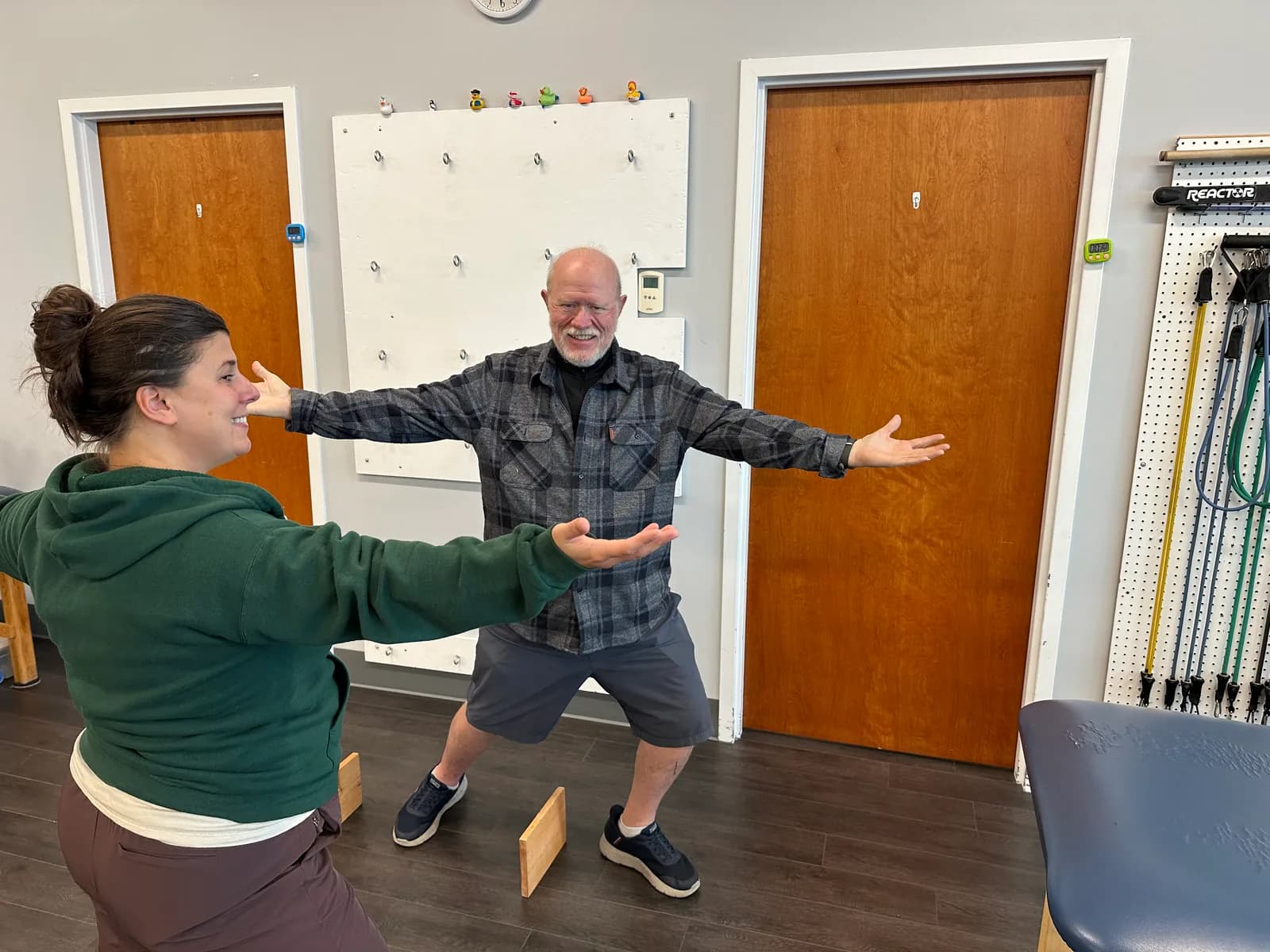
Guided stepping exercise with arms extended in a Fusion clinic.

Overview

Neurological conditions can negatively effect all aspects of an individual’s life and can even be debilitating. Our neurological rehab services can help make life better and easier for these individuals.

These include conditions of the nervous system such as:

✓ Stroke
✓ Parkinson Disease
✓ Multiple Sclerosis
✓ Brain Injuries
✓ Guillian Barre Syndrome
✓ and many other conditions

We are also able to address chronic metabolic conditions that impact the function of multiple body systems such as: diabetes vascular diseases, heart disease, pulmonary diseases, obesity, amputations, and renal disease.

Neurological Rehab can help with some of these conditions

✓ Stroke
✓ Parkinson Disease
✓ Multiple Sclerosis
✓ Brain Injuries
✓ Guillian Barre Syndrome
✓ Diabetes
✓ Vascular Diseases
✓ Heart Disease
✓ Pulmonary Diseases
✓ Obesity
✓ Amputations
✓ Renal Disease

Rock Steady Boxing Fredericksburg: how to take part

Where we meet

Rock Steady Boxing Fredericksburg
5700 Smith Station Rd., Fredericksburg, VA 22407

A program venue, not a general Fusion clinic.

Class schedule

Contact the team for the current class schedule.

Who to contact

Send a general question through the request form and choose “Program question”, or call your nearest clinic.

How to get started

Ask about participation requirements, current sessions, and how to join. The team will explain the next step.

Ask about this program

What to expect

Start by contacting your clinic. Your therapist will talk through how your condition affects your movement and daily activities, discuss your goals, and plan care with you. Ask your clinic which neurological programs are available at your location.

LSVT BIG

Learn about the LSVT BIG program listed by Fusion and contact the team for current availability and participation details.

Has the progression of Parkinson’s Disease caused you or a loved one to have trouble with simple daily tasks such as walking, getting out of bed, grocery shopping and many other day to day tasks?

What Is LSVT BIG Program?

The LSVT BIG Program (Lee Silverman Voice Treatment) is designed to help “recalibrate” the brain. As Parkinson’s Disease progresses, you may notice movements become slower, smaller, and misdirected. Shuffling and freezing while walking will become more obvious. The BIG program teaches you how and when to make BIG movements to match those around you.

LSVT BIG Treatment consists of:

✓ 16 one-on-one sessions (4x/week for 4 weeks)
✓ customized to YOUR specific needs and goals

Our LSVT BIG Program can help with some of these conditions

✓ Parkinson’s Disease

Parkinson's

Explore how physical therapy and Fusion's programs may support movement, balance, and daily activities for people living with Parkinson's.

More about parkinson's

Restore Movement Confidence with Parkinson’s Therapy

Parkinson’s disease can make everyday movements feel difficult, unpredictable, and exhausting. While medication plays a role in symptom management, research confirms that structured movement therapy is critical for maintaining mobility, balance, and independence.

At Fusion Rehab and Wellness in Virginia, we specialize in evidence-based Parkinson’s therapy that helps you regain control over movement, reduce fall risk, and restore confidence. Every treatment plan is tailored to your specific needs, ensuring lasting improvements that support your daily life.

A Personalized Approach to Parkinson’s Therapy

Our experienced therapists provide a safe, structured environment where you can build strength, improve coordination, and regain mobility at a sustainable pace.

We prioritize fall prevention and safety, using proven techniques to reduce instability and minimize injury risk. Our focus on improving mobility and independence ensures targeted exercises restore confidence in movement and keep you active in daily life.

With a personalized, progressive treatment plan, every session brings you closer to greater control, stability, and freedom.

How Parkinson’s Affects Movement

Parkinson’s disease disrupts the body’s ability to regulate movement, leading to:

  • Tremors, Rigidity, and Slowed Motion – Everyday tasks take more effort and coordination.
  • Postural Instability and Gait Changes – Walking may feel unsteady, with a tendency to shuffle or freeze mid-step.
  • Loss of Functional Strength – Rising from a chair, dressing, or navigating stairs becomes progressively harder.

Without proactive therapy, these challenges worsen over time, making early intervention essential for maintaining mobility and independence.

Our Specialized Parkinson’s Therapy Approach

At Fusion Rehab and Wellness, we use proven movement techniques to strengthen mobility, retrain coordination, and improve overall function. Our therapy approach includes:

1. Functional Movement Training
This approach strengthens walking mechanics and balance, improving mobility and confidence. It focuses on real-life movements like standing, turning, and navigating uneven surfaces to enhance daily function.

2. External Cueing Techniques
Auditory cues, such as rhythmic beats, help regulate step timing and reduce freezing episodes, while visual and tactile feedback provide guidance for smoother, more controlled movement.

3. Manual Therapy & Flexibility Training
Hands-on techniques reduce stiffness and increase range of motion, making movement easier and more fluid.

4. Strength & Endurance Building
Targeted exercises strengthen muscles essential for posture control and movement efficiency, promoting stability and long-term mobility.

5. Cognitive-Motor Integration
This training enhances reaction time, coordination, and multitasking abilities, helping to improve overall movement control and responsiveness.

Why Early Therapy Matters

Relying on medication alone is not enough to preserve function. Targeted therapy is proven to slow mobility loss and enhance long-term independence. Patients who engage in structured therapy experience:

  • Faster, More Stable Walking – Improved step length, rhythm, and posture.
  • Reduced Freezing Episodes – Therapy helps rewire movement patterns to keep steps fluid.
  • Longer Independence – Maintain daily routines and mobility for years longer than without therapy.

Without proactive treatment, Parkinson’s symptoms progress faster, leading to greater fall risks, muscle weakness, and loss of functional independence. The earlier you start therapy, the more movement you can preserve.

Questions about parkinson's

What daily habits can worsen Parkinson’s symptoms?

A lack of structured movement training can accelerate mobility decline, while high-impact activities without proper guidance increase the risk of falls. Additionally, unmanaged stress, poor sleep, and inactivity can intensify symptoms, making daily tasks more challenging.

What emotional challenges come with Parkinson’s?

Many individuals experience anxiety about losing independence and may avoid social situations due to movement difficulties. Therapy plays a crucial role in restoring confidence by improving functional abilities and enhancing overall quality of life.

How does therapy slow Parkinson’s progression?

Regular strength and movement training keep the brain actively engaged in motor control, while neuroplasticity-focused exercises help retrain movement pathways. Consistent physical activity also maintains strength, balance, and coordination, supporting long-term mobility and function.

Where to find this care

Offered at the clinics below. Contact your clinic to ask about this service and the best place to start.

    Related reading

    • Balance & neurological care · November 3, 2025

      Physical Therapy for Multiple Sclerosis Fatigue

      Water-based exercise provides unique benefits for people with MS. The buoyancy of water reduces stress on joints and muscles while providing gentle resistance for strengthening.
    • Balance & neurological care · December 31, 2025

      Treatment for Neuropathy in Legs and Feet

      Living with tingling, numbness, or sharp pain in your extremities can be incredibly challenging. If you’re seeking effective treatment for neuropathy in legs and feet, know that you’re not alone and solutions are available.

    Ready to talk with your local team?

    Choose your clinic and send a request. The team will follow up to discuss scheduling and your questions.