What we treat

Sports injuries & return to activity

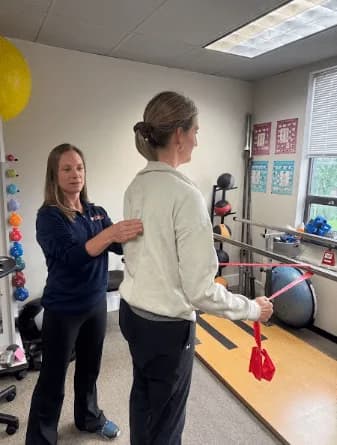
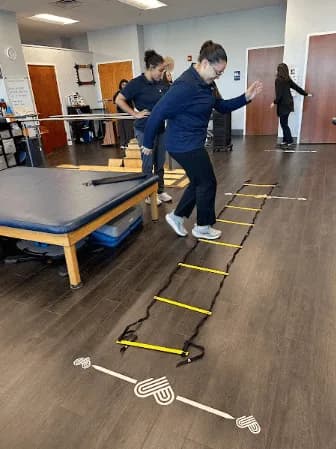
Explore information for the activities you enjoy, from throwing and golf to court sports and strength training.

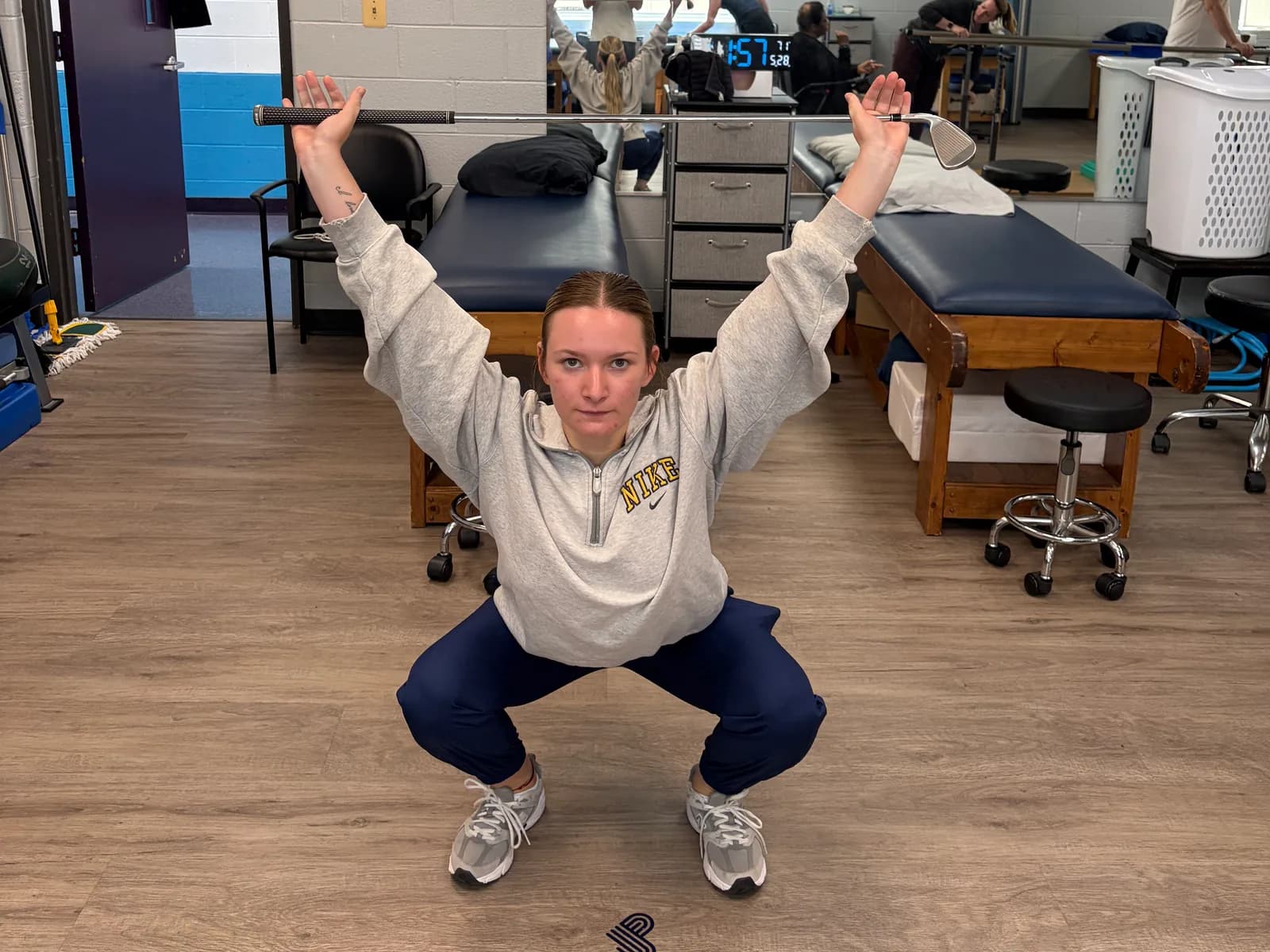
Overhead squat movement screening with a golf club.

Overview

A sports injury doesn’t just affect your game—it impacts your movement, endurance, and confidence. Whether you’re a competitive athlete or an active weekend warrior, the right rehabilitation is key to a full and safe recovery. A sprained ankle, a strained hamstring, or a knee ligament tear shouldn’t hold you back longer than necessary. At Fusion Rehab and Wellness, we specialize in sports-specific rehabilitation to help you heal faster, regain strength, and prevent future injuries.

How Fusion approaches assessment and care

Athletes push their bodies to the limit, making injury prevention and expert rehabilitation essential. We treat a wide range of sports-related conditions, including:

  • Ankle Sprains
    Ankle sprains often result from sudden direction changes or unstable landings, leading to pain and instability. Treatment focuses on joint mobilization, balance training, and progressive strengthening to restore stability and prevent future sprains.
  • Hamstring Strains
    Explosive sprinting or overstretching can cause hamstring strains, leading to pain and reduced mobility. Therapy includes deep muscle release, tissue regeneration techniques, and progressive flexibility training to promote healing and prevent reinjury.
  • Shoulder Dislocations
    High-impact collisions or forceful overhead movements can lead to shoulder dislocations, affecting joint stability. Rehabilitation involves controlled strengthening, neuromuscular retraining, and mobility restoration to stabilize the shoulder and improve function.
  • Knee Ligament Tears (ACL, MCL, PCL, LCL)
    Sudden pivots, high-impact landings, or direct trauma can cause ligament tears in the knee, compromising stability. Recovery focuses on movement pattern retraining, controlled resistance exercises, and agility drills to restore knee function and prevent future injury.

Expert Sports Injury Rehabilitation

Recovering from an injury isn’t just about rest—it’s about strategic, hands-on therapy and guided movement restoration. Our rehabilitation programs are built for athletes, focusing on:

  • Accelerated recovery to get you back to peak performance safely.
  • Sport-specific movement training to restore agility, strength, and endurance.
  • Injury prevention strategies to protect against reinjury and enhance resilience.

We don’t just treat the injury—we train your body to perform better than before.

Why Sports Rehabilitation is Different

Athletes need more than basic physical therapy—they need a specialized approach that considers the demands of their sport. Our programs include:

  • Sport-Specific Functional Training – Exercises designed to mirror game-time movements, improving coordination, reaction time, and strength.
  • Biomechanical Analysis & Movement Optimization – Identifies weaknesses and improper movement patterns that could contribute to re-injury.
  • Injury Prevention Strategies – Teaches proper mechanics and strengthening techniques to minimize the risk of recurring injuries.
  • We focus on more than recovery—we help you become stronger, faster, and more resilient in your sport.

Treatment Benefits of Sports Injury Physical Therapy

  • Accelerated Healing
    Sports injury physical therapy promotes faster healing by using targeted exercises and techniques that help restore function and mobility. This approach reduces downtime and helps athletes get back to their activities more quickly.
  • Pain Reduction
    Through various manual therapy techniques, modalities, and exercises, physical therapy helps alleviate pain associated with sports injuries. This allows athletes to recover more comfortably and continue their rehabilitation with less discomfort.
  • Improved Range of Motion
    Therapeutic exercises and stretching routines in physical therapy help improve flexibility and range of motion in the affected area. This ensures that athletes regain full movement and can perform their sports activities effectively.
  • Strengthening and Conditioning
    Physical therapy focuses on strengthening the muscles around the injured area, which helps support the joint and prevent future injuries. By building strength and endurance, athletes can return to their activities with increased confidence and performance.
  • Prevention of Re-Injury
    Physical therapists educate athletes on proper techniques, exercises, and body mechanics to prevent re-injury. By addressing the underlying causes of the injury and promoting safe practices, athletes can reduce the risk of future problems.
  • Enhanced Performance
    Rehabilitation programs not only focus on recovery but also on improving overall athletic performance. By optimizing strength, flexibility, and function, athletes can achieve better results in their sports activities.
  • Functional Training
    Physical therapy includes functional training exercises that mimic the movements and demands of the athlete’s specific sport. This helps athletes transition smoothly back to their activities and ensures they are fully prepared for the physical challenges they will face.

Baseball and throwing injuries

Explore information for throwing athletes, from shoulder and elbow concerns to return-to-throwing planning.

More about baseball and throwing injuries

Baseball Throwing Injury Rehabilitation

Throwing injuries are a constant threat for baseball and softball players. The repetitive overhead motion stresses the shoulder and elbow, often leading to pain, weakness, and lost playing time. Left untreated, these injuries can worsen, sidelining athletes for months or even ending careers.

At Fusion Rehab and Wellness in Virginia, we provide targeted physical therapy to reduce pain, restore strength, and improve throwing efficiency—so you can get back on the field safely and quickly.

Common Throwing Injuries

Throwing injuries develop from repeated stress, improper mechanics, or muscle imbalances. The most frequent conditions include:

1. Rotator Cuff Injuries

  • Strains, tears, or inflammation in the muscles and tendons stabilizing the shoulder
  • Symptoms include shoulder pain, weakness, and limited mobility

2. Ulnar Collateral Ligament (UCL) Injuries

  • Ligament damage in the elbow from excessive stress during throwing
  • May require conservative therapy or post-surgical rehab (Tommy John surgery)

3. Little League Elbow

  • Overuse injury in young athletes affecting the growth plate of the elbow
  • Causes pain, swelling, and reduced throwing performance

How Physical Therapy Helps Baseball Injuries

Our rehabilitation program begins with a comprehensive evaluation of throwing mechanics, joint mobility, and muscle strength. From there, we build a personalized treatment plan that includes:

1. Pain Management

  • Hands-on therapy to relieve muscle tension
  • Ultrasound, electrical stimulation, and cold therapy to reduce inflammation

2. Strength and Stability Training

  • Targeted exercises for the rotator cuff, scapular stabilizers, and core
  • Resistance bands and strength training to improve arm function

3. Throwing Mechanics Analysis

  • Video analysis to pinpoint inefficiencies and joint stress
  • Technique adjustments to enhance performance and prevent reinjury

4. Gradual Return-to-Throwing Program

  • Structured progression from light tossing to full-intensity pitching
  • Focus on flexibility, endurance, and coordination

Questions about baseball and throwing injuries

How do you recover from a throwing injury?

Recovery requires rest, targeted therapy, and a structured return-to-throwing program. Our customized approach ensures complete healing and reduces reinjury risk.

What are the most common injuries from throwing a baseball?

Overuse injuries like rotator cuff strains, UCL tears, labrum damage, and tendonitis are common. Younger players also face growth plate injuries from repetitive stress.

How can I prevent throwing injuries?

Proper warm-ups, strengthening exercises, correct mechanics, and pitch count monitoring are crucial. Regular mobility and stability training also protect joint health.

Golf

Find information about golf-related pain and movement concerns and how care can support your game.

More about golf

Golf Rehab in Virginia: Get Back to the Game with Fusion Rehab and Wellness

Has pain or mobility issues impacted your golf game? At Fusion Rehab and Wellness in Virginia, our Golf Rehab program is designed to help golfers of all skill levels recover from injuries, improve movement, and get back on the course stronger than ever.

Many golfers experience elbow, back, shoulder, knee, or hip pain that affects their swing and limits their ability to play. Studies show that over 90% of amateur golfers experience an injury at some point in their playing career. Without proper treatment, these issues can worsen, keeping you away from the game you love.

At Fusion Rehab and Wellness, our physical therapists specialize in golf rehab and understand the demands golf places on the body. Whether you’re recovering from an injury, dealing with chronic pain, or looking to improve flexibility and strength, we create a personalized plan to help you play pain-free.

Who Can Benefit from Golf Rehab?

Our Golf Rehab program is ideal for recreational and competitive golfers looking to:

  • Recover from golf-related injuries
  • Improve flexibility and mobility for a better swing
  • Strengthen key muscles for endurance and injury prevention
  • Address pain that limits performance
  • Enhance overall golf mechanics for consistency and power

Common conditions we treat include:

  • Golfer’s elbow (medial epicondylitis)
  • Tennis elbow (lateral epicondylitis)
  • Low back pain and disc injuries
  • Rotator cuff and shoulder pain
  • Hip impingement and mobility restrictions
  • Knee instability and ligament strains

Whether you’re dealing with a new injury, ongoing discomfort, or simply want to optimize your movement and strength, our program is tailored to help you get back to peak performance.

Why Golf Rehab is Essential

Ignoring pain or trying to play through an injury can lead to long-term issues, including:

  • Compensatory swing changes that create new injuries
  • Loss of power, accuracy, and overall enjoyment
  • Increased risk of chronic pain or joint damage

Our structured rehabilitation program helps you recover faster, move better, and play smarter to prevent future injuries.

Key Benefits of Golf Rehab at Fusion Rehab and Wellness

1. Pain Relief & Faster Recovery

    • Over 90% of golfers in our rehab program experience significant pain reduction within 8 weeks.
    • Structured rehab can accelerate healing by
    • 30% compared to rest alone.

2. Increased Mobility & Flexibility

    • Golf requires full joint range of motion for an efficient swing.
    • Our program improves thoracic, hip, and shoulder mobility to maximize clubhead speed and accuracy.

3. Strength & Endurance for Consistency

    • Golf performance relies on muscle coordination and endurance.
    • We target key areas like the core, shoulders, and lower body to reduce fatigue and injury risk.

4. Swing Mechanics & Movement Efficiency

    • Poor mechanics contribute to injuries and inconsistent play.
    • We offer swing analysis and corrective exercises to improve performance and prevent compensatory movement patterns.

5. Personalized One-on-One Treatment

    • Every golfer receives a customized rehab plan based on their injury history, goals, and playing style.
    • Our approach ensures faster recovery and long-term injury prevention.

Golf Rehab FAQs

  • Golfer’s and tennis elbow (affecting 15-25% of players)
  • Low back pain from rotational stress on the spine
  • Knee ligament sprains and instability
  • Shoulder tendonitis and impingements
  • Hip pain and mobility restrictions

Can I Still Play Golf While in Rehab?

  • We understand the desire to stay active, but playing through pain can slow recovery.
  • Depending on the injury and rehab stage, light practice may be allowed with modifications to protect healing tissues.
  • Your therapist will guide your return-to-play timeline to ensure a safe and effective recovery.

How Does Golf Rehab Help Prevent Future Injuries?

  • Identifies and corrects muscle imbalances and mobility restrictions.
  • Improves flexibility and joint stability to reduce strain on key areas.
  • Reinforces efficient swing mechanics to minimize stress on joints and tissues.
  • Builds endurance and strength to keep you playing pain-free for years to come.

Meet Your Golf Rehab Team at Fusion Rehab and Wellness

Our sports and orthopedic physical therapists use the latest evidence-based techniques to help golfers recover, strengthen, and improve performance.
Our Golf Rehab Program Includes:

  • Comprehensive injury and movement assessments
  • Hands-on manual therapy for pain relief and mobility
  • Joint mobilization techniques to improve range of motion
  • Strength and conditioning exercises tailored to your needs
  • Swing mechanics assessment and corrective drills
  • Neuromuscular re-education for optimal movement patterns
  • Advanced recovery techniques like blood flow restriction therapy

Questions about golf

What Are the Most Common Golf Injuries?

The most frequent injuries among golfers include:

Tennis and pickleball

Explore information for court-sport injuries and the return to play.

More about tennis and pickleball

Tennis and Pickleball Injury Treatment

Are nagging tennis or pickleball injuries keeping you off the court? Whether you’re dealing with tennis elbow, rotator cuff strain, or knee pain, our specialized treatment programs at Fusion Rehab and Wellness in Virginia help players of all levels return to the game they love. Our evidence-based approach combines advanced manual therapy with sport-specific training to ensure optimal recovery and injury prevention.

Signs and Symptoms
Recognizing early warning signs of tennis and pickleball injuries is crucial for preventing more serious problems. While some discomfort during play is normal, certain symptoms should prompt immediate attention.

Common Red Flags for Upper Body Issues:

  • Sharp pain in the elbow during forehand or backhand strokes
  • Shoulder pain when serving or reaching overhead
  • Decreased grip strength affecting your racquet control
  • Numbness or tingling in your hand or fingers
  • Persistent soreness that doesn’t improve with rest

Lower Body Warning Signs:

  • Knee pain during quick directional changes
  • Ankle instability when moving side to side
  • Hip discomfort affecting your serve stance
  • Lower back pain during rotation
  • Calf tightness or cramping during matches

Performance-Related Symptoms:

  • Unable to maintain proper form throughout a match
  • Decreased power in your serves and shots
  • Difficulty with quick reactive movements
  • Fatigue occurring earlier than usual
  • Loss of accuracy in shot placement

When to Seek Immediate Treatment:

If you experience any of the following, schedule an evaluation right away:

  • Sharp, sudden pain during specific movements
  • Swelling that doesn’t improve within 24 hours
  • Restricted range of motion affecting your game
  • Recurring injuries in the same area
  • Pain that persists beyond normal post-play soreness

Understanding Tennis and Pickleball Injuries

The repetitive motions and dynamic movements in racquet sports place unique demands on your body. Quick directional changes, explosive serves, and repetitive stroke patterns can lead to both acute injuries and chronic overuse conditions.

Understanding these specific challenges allows us to develop targeted treatment approaches that address both immediate symptoms and underlying causes.

Our expert team specializes in treating common tennis and pickleball-related conditions including:

Tennis Elbow (Lateral Epicondylitis)
Tennis elbow affects up to 50% of regular players, but proper treatment can significantly reduce recovery time and prevent recurrence. This challenging condition develops when repetitive wrist and arm motions create micro-tears in the tendons attaching to your lateral epicondyle. Our comprehensive treatment approach combines:

  • Advanced soft tissue mobilization
  • Progressive strengthening exercises
  • Equipment modification guidance
  • Biomechanical analysis of stroke mechanics

Rotator Cuff Injuries
The powerful overhead serving motions in tennis and pickleball put tremendous stress on your shoulder complex. Without proper mechanics and strength, this can lead to various shoulder problems. We specialize in addressing:

Acute conditions like:

  • Rotator cuff strains
  • Shoulder impingement
  • Labral tears

Chronic issues including:

  • Tendinitis
  • Scapular dyskinesis
  • Range of motion limitations

Knee Problems
The quick starts, stops, and directional changes essential to racquet sports create significant stress on your knee joints. Our treatment protocols address both acute and chronic knee conditions through a combination of hands-on therapy and targeted exercise progression.
Common conditions we treat include:

  • Patellar tendinitis (“Jumper’s knee”)
  • Meniscus injuries
  • IT band syndrome

Ligament sprains
Our comprehensive knee rehabilitation program focuses on restoring proper movement patterns while building the strength and stability needed for dynamic court movements.

Our Treatment Approach

At Fusion Rehab and Wellness, we understand that every player’s needs are unique. Our evidence-based treatment approach begins with a thorough evaluation of your injury, playing style, and goals. This detailed assessment allows us to develop a personalized recovery plan that addresses both immediate symptoms and underlying contributing factors.

  • Comprehensive Evaluation
    • Your initial session includes an in-depth assessment of:
      • Movement Patterns
      • Sport-specific technique analysis
      • Biomechanical screening
      • Range of motion testing
    • Strength assessment
  • Injury History
    • Previous injuries and treatments
    • Current symptoms and limitations
    • Activity modifications
    • Recovery goals

Personalized Treatment Plans

Based on your evaluation findings, we develop a customized treatment plan that may include:

Manual Therapy Our skilled therapists use various hands-on techniques to address pain, improve mobility, and promote healing:

  • Joint mobilization
  • Soft tissue release
  • Trigger point therapy
  • Therapeutic massage

Advanced Therapeutic Exercises

We design progressive exercise programs that mirror the specific demands of tennis and pickleball:
Early Phase:

    • Pain management
    • Basic movement restoration
    • Gentle strengthening
    • Modified cardio activities

Progressive Phase:

  • Sport-specific training
  • Power development
  • Agility drills
  • Return to play preparation

Prevention and Performance Enhancement

Beyond treating current injuries, we focus on preventing future problems through comprehensive education and training. Our approach includes:

Movement Analysis

We use detailed video analysis and movement screening to identify potential issues before they become injuries. This allows us to address:

  • Stroke mechanics inefficiencies
  • Movement pattern compensations
  • Equipment setup problems
  • Training load issues

Customized Prevention Programs

Based on our findings, we develop personalized prevention strategies that include:

  • Sport-specific warm-up routines
  • Targeted strengthening exercises
  • Flexibility programs
  • Recovery protocols

Frequently Asked Questions

  • Initial relief: 1-2 weeks
  • Full recovery: 3-6 weeks
  • Return to play: 4-8 weeks with proper progression

Moderate Injuries (Tennis Elbow, Rotator Cuff Tendinitis):

  • Initial relief: 2-3 weeks
  • Full recovery: 6-12 weeks
  • Return to play: 8-14 weeks with proper progression

Severe Injuries (Major Sprains, Tears):

  • Initial relief: 3-4 weeks
  • Full recovery: 3-6 months
  • Return to play: 4-8 months depending on severity
  • Adjusted stroke techniques
  • Limited play duration
  • Focus on specific shot types
  • Controlled practice sessions

We’ll work with you to maintain as much court time as possible while ensuring proper healing.

  • Stroke mechanics evaluation
  • Movement pattern assessment
  • Equipment setup review
  • Training load analysis

We’ll recommend changes only when they clearly benefit your game and injury prevention.

Pre-Play Preparation:

  • Proper warm-up routines
  • Dynamic stretching
  • Movement preparation
  • Equipment checks

Training Considerations:

  • Gradual intensity progression
  • Balanced strength training
  • Regular flexibility work
  • Adequate rest periods

Maintenance Strategies:

  • Regular movement assessments
  • Equipment updates when needed
  • Proper hydration and nutrition
  • Recovery protocol adherence
  • Repetitive overhead motions
  • Quick directional changes
  • Explosive movement patterns
  • Extended play durations

These factors require specialized treatment approaches targeting both immediate symptoms and underlying movement patterns.

  • Resistance bands
  • Tennis or pickleball for modified drills
  • Foam roller
  • Light weights

Our team will ensure you have everything needed for successful recovery.

Get directions to our Virginia location

Remember: Early intervention leads to better outcomes. Don’t wait to start your recovery journey.

Questions about tennis and pickleball

How long will my recovery take?

Recovery timelines vary depending on your specific injury, its severity, and how well you follow your treatment plan. Here’s what you can typically expect:
Mild Injuries (Strains, Minor Sprains):

Can I still play while receiving treatment?

This depends on your specific injury and its severity. In many cases, we can modify your playing style or intensity while you heal. Our approach typically includes:
Modified Play Options:

Will I need to change my technique?

Sometimes minor technique adjustments can significantly reduce injury risk and improve performance. Our analysis includes:

How can I prevent these injuries from recurring?

Prevention requires a multi-faceted approach:

What makes racquet sport injuries unique?

Tennis and pickleball create distinctive physical demands due to:

Do I need special equipment for rehabilitation?

We provide all necessary equipment for in-clinic treatment. For home exercises, we may recommend:

Weightlifting

Find information about strength-training injuries and how care is planned around your lifting goals.

More about weightlifting

Conquering Weightlifting Injuries

If you’re an athlete or fitness enthusiast who loves weightlifting, an injury can bring your training to a sudden halt. Shoulder, knee, or back issues from improper lifting mechanics or overtraining can sideline you for weeks—or longer. The good news? With customized physical therapy from the experienced team at Fusion Rehab and Wellness in Virginia, you can conquer weightlifting injuries and return to the gym stronger and safer.

Common Weightlifting Injuries We Treat

Rotator Cuff Strains and Tears: Poor form during bench or overhead presses can overload the shoulder, leading to impingement, tendinitis, or tears.

  • Lower Back Strains: Hyperextending during deadlifts or squats places excessive stress on the spine, often causing muscle strains, ligament sprains, or disc issues.
  • Knee Injuries: Excessive force during squats, lunges, or leg presses can result in ACL sprains, meniscus tears, and patellofemoral pain.
  • Elbow Tendinitis: Overloading during pressing or pulling exercises can inflame tendons, leading to golfer’s or tennis elbow.
  • Wrist Sprains: Lifting heavy weights with poor grip alignment often causes ligament sprains, instability, and limited function.

How We Help You Recover Faster

At Fusion Rehab and Wellness, our physical therapists specialize in weightlifting injury rehabilitation. Our comprehensive approach includes:

1. Hands-On Pain Relief: Gentle joint mobilization, soft tissue work, and trigger point therapy to reduce tension, inflammation, and restore mobility.

2. Movement Reeducation: Identifying and correcting muscle imbalances, poor pelvic or scapular stability, and faulty movement patterns.

3. Progressive Strength Training: Once pain subsides, we implement progressive overload principles to safely rebuild strength, power, and endurance.

4. Injury Prevention Strategies: Before discharge, we provide personalized guidelines for safe exercise progression, joint-friendly lifting angles, and proper workload management.

Questions about weightlifting

What are the most common weightlifting injuries?

Rotator cuff strains, lower back sprains, and knee injuries from improper form or overloading are the most frequent issues we treat.

Can lifting too much weight cause permanent damage?

Yes. Lifting beyond your capacity without proper conditioning can strain tendons, ligaments, and joints, increasing the risk of long-term damage.

Can I recover without professional therapy?

While rest and home care can ease minor symptoms, unresolved muscle imbalances or faulty mechanics often lead to recurring pain. Professional therapy provides a complete recovery and reduces future risks.

Services that may be part of care

Choose a clinic

Related reading

Ready to talk with your local team?

Choose your clinic and send a request. The team will follow up to discuss scheduling and your questions.