Services

Find your next step for balance and mobility.

Explore vestibular therapy, fall prevention, and movement support for older adults. Your team can help explain the available care options.

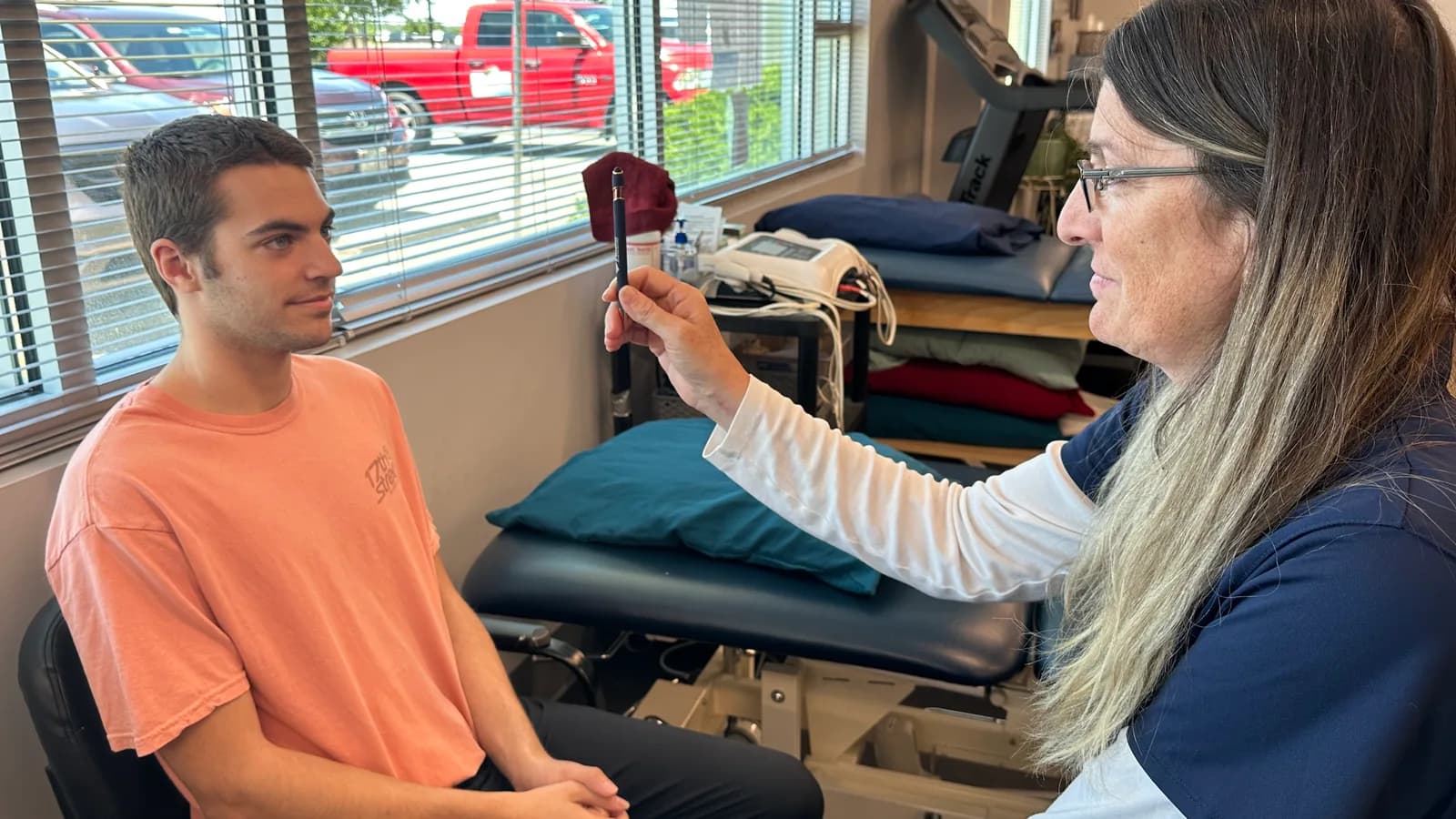
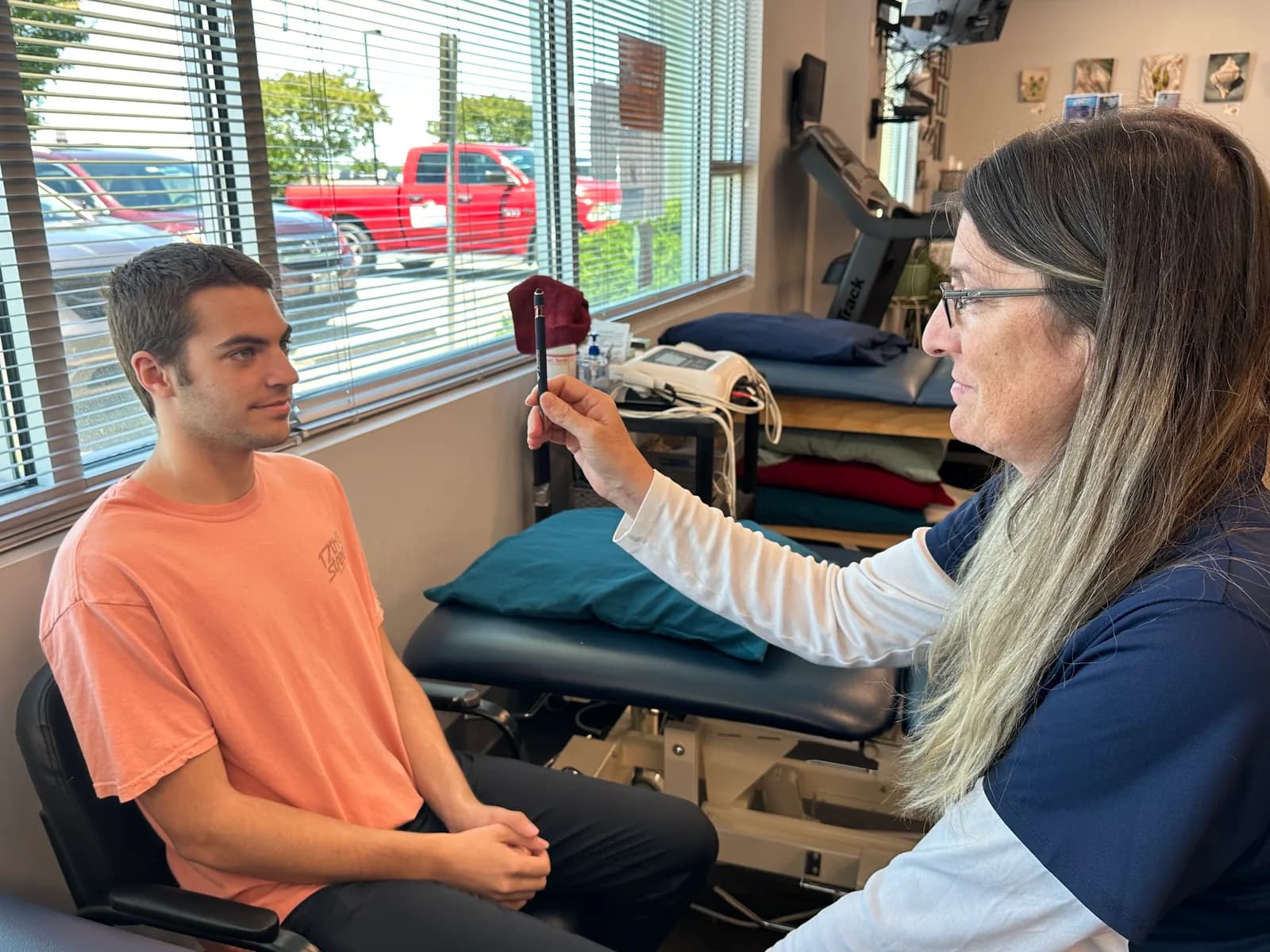
Seated visual-tracking exercise using a handheld target.

Overview

Feel like your world is off-kilter due to persistent dizziness or the inability to focus on objects? You are not alone. Millions of individuals with balance disorders struggle with daily activities many take for granted, like smoothly walking across a room or operating a vehicle. The specialized vestibular rehabilitation therapists at Fusion Rehab and Wellness facilitate life-changing transformations for people battling imbalance issues stemming from inner ear disorders through tailored treatment plans fully customizing interventions to meet patients’ unique symptom profiles and activity goals.

What to expect

Each session challenges your vestibular system through controlled, progressive sensory exposure while building supportive strength.

You may perform activities like:

  • Eye movement exercises promoting adaptation
  • Dynamic standing balance reactions on foam or trampoline
  • Dual cognitive task training – answering questions while walking
  • Virtual reality immersion triggering symptoms in safe contexts
  • Habituation equipment like parallel bars, dynamic chairs

We tailor exercises to match your tolerance thresholds for optimal strategic progression without setbacks.

Addressing Root Causes of Disequilibrium with Vestibular Therapy

The vestibular system within the inner ear plays a prominent yet often overlooked role in coordinating spatially-calibrated movement. Dysfunction upends this critical sensing equipment.

Some frequent disorders we successfully treat include:

  • BPPV – Benign paroxysmal positional vertigo provoking positioning-induced spinning sensations when crystals become dislodged in semicircular canals. Gravity-dependent movement exacerbates symptoms.
  • Vestibular neuritis – Inflammation of nerves elicits severe vertigo with nausea, troubled vision focus, gait challenges. Episodes arise suddenly.
  • Ménière’s disease – Fluid buildup causes intermittent severe vertigo lasting hours alongside low-tone tinnitus and potential hearing loss during acute attacks.
  • Acoustic neuroma – Noncancerous vestibular nerve tumors pressed against inner ear structures contribute to loss of balance control.
  • Migraine-related dizziness – Brain-inner ear connections become disrupted triggering vertigo.

Our therapists identify the specific underlying cause then customize treatment to target and train compensatory mechanisms for recalibrating spatial orientation perception and skills.

Customized Treatment for Lasting Adaptation

No singular set of interventions works universally for vestibular disorders since presentation varies widely based on factors like comorbidities and duration since onset.
That’s why our skilled clinicians design targeted treatment plans uniquely catered to your situation leveraging combinations of:

  • Canalith repositioning maneuvers
  • Gaze stabilization exercises
  • Habituation techniques
  • Balance and gait retraining
  • Motion sensitivity desensitization
  • Visual dependency adaptation training
  • Relaxation techniques

We continually adjust protocols based on symptoms and demonstrated progress working collaboratively towards self-management once acute flare-ups resolve.

The Benefits of Personalized Vestibular Therapy

Published clinical trials substantiate vestibular rehabilitation’s superiority over medication for chronic imbalance issues. Up to 90% of patients experience marked recovery through customized therapy.

Rapid Symptom Reduction – Patients typically report significantly decreased intensity and frequency of dizziness spells and vertigo episodes allowing simple daily movements free from provocation.
Enhanced Stability and Coordination – Targeted interventions progressively resolve vision disturbances and gait deviations to build self-assurance for community mobility and driving.
Restored ADL Confidence – Equilibrium deficits no longer encumber participation in activities of daily living like housework, shopping or social functions leading to independence.
Improved Quality of Life – Ability to fully take part in relationships and preferred pastimes without limitation from unpredictable symptoms prompts profound lifestyle shifts.

Why Vestibular Therapy Works

Traditional medication-based models for managing dizzy spells provide only mild, temporary relief by dampening inner ear signals. Vestibular therapy takes the opposite approach – strategically exposure sensitizes systems. Through gradual, controlled challenge exposures, the brain learns to filter out noisy signals and reweight sensory dominance. With compensatory pathways reinforced through specific exercises, chronic imbalance resolves. Essentially, vestibular therapy reboots faulty internal spatial orientation hardware via structured neuroplasticity-based rehabilitation. By refining inner ear efficiency, clarity and comfort return.

Dizziness and vertigo

Find information about dizziness, vertigo, and the vestibular assessment your therapist may use to understand what you are experiencing.

More about dizziness and vertigo

Regain Balance and Stability—Eliminate Dizziness & Vertigo

Do you ever feel like the world is spinning when you lie down, stand up, or turn your head? Does simple movement—like bending down or walking—throw off your balance? If so, you’re not alone.

Dizziness and vertigo aren’t just uncomfortable—they can disrupt your daily life, making even basic tasks feel overwhelming. At Fusion Rehab and Wellness in Virginia, our vestibular rehabilitation specialists provide targeted, proven treatments to restore your balance, eliminate spinning sensations, and help you regain confidence in your movements.

What’s Causing Your Dizziness & Vertigo?

Your body’s balance system relies on seamless communication between your inner ear, eyes, and brain. When this system is disrupted, dizziness, vertigo, and instability take over. The most common causes include:

  • Benign Paroxysmal Positional Vertigo (BPPV) – Loose crystals in the inner ear interfere with balance, triggering sudden spinning sensations.
  • Vestibular Neuritis – Inflammation of the vestibular nerve leads to dizziness, nausea, and difficulty focusing.
  • Meniere’s Disease – Increased fluid pressure in the inner ear causes vertigo, hearing loss, and ear fullness.
  • Vestibular Migraines – Misfiring nerve pathways between the brain and inner ear result in unpredictable vertigo episodes.

Ignoring these issues won’t make them go away. The good news? Specialized therapy can retrain your balance system for lasting relief.

Personalized Treatment for Long-Term Relief

At Fusion Rehab and Wellness, we don’t just mask your symptoms—we fix the root cause of your dizziness through advanced diagnostics and customized therapy plans, including:

  • Canalith Repositioning – Realigns loose crystals in the inner ear, eliminating BPPV-related vertigo.
  • Balance Retraining Exercises – Strengthens your body’s ability to maintain stability during movement.
  • Habituation Therapy – Gradual exposure to triggers helps desensitize your balance system, reducing dizziness.
  • Medication Support (If Needed) – For severe nausea or anxiety, short-term medication can aid recovery alongside therapy.

Our goal: Help you move freely, regain balance, and restore your confidence—without relying on medication long-term.

Questions about dizziness and vertigo

What’s the best way to stop vertigo episodes?

While medication provides short-term relief, vestibular therapy reprograms your balance system for long-lasting stability.

What triggers dizziness or vertigo?

Common triggers include rapid position changes, overstimulating visual environments, and head movements that challenge your balance system.

How long do vertigo episodes last?

Most episodes subside in under a minute, but conditions like BPPV can cause prolonged spinning sensations until properly treated.

Can dehydration cause dizziness?

Yes—low hydration levels disrupt inner ear function, leading to dizziness or lightheadedness. Staying hydrated supports balance and stability.

Fall prevention

Explore assessment and training focused on balance, mobility, and the activities that matter to you.

More about fall prevention

Fall Prevention Services in Virginia: Regain Confidence, Stability & Independence

The fear of falling can take away your freedom, limit daily activities, and reduce your quality of life. At Fusion Rehab and Wellness in Virginia, we specialize in Fall Prevention Services that restore confidence, enhance mobility, and help you move safely without fear. Our proactive approach strengthens your body, improves balance, and reduces fall risks—helping you maintain your independence for years to come.

Why Fall Prevention in Virginia is Critical

Waiting until a fall happens is risky. Injuries from falls can lead to hospitalizations, loss of mobility, and long-term health complications. Our program focuses on identifying risks early and giving you the strength, stability, and strategies to prevent falls before they occur.

Our Approach to Fall Prevention

Falls can occur due to a combination of factors such as poor balance, muscle weakness, and unsafe environments. Our comprehensive fall prevention program targets these risks to help you improve stability and coordination, increase strength and mobility, and make your home a safer place.

Comprehensive, Personalized Care

Every patient has unique needs, and our program is tailored to address individual risk factors:

Physical Challenges:

  • Balance and coordination deficits
  • Muscle weakness and restricted mobility
  • Posture and gait abnormalities

Environmental Hazards:

  • Poor lighting and trip hazards
  • Unsafe bathroom setups
  • Furniture and home layout risks

Medical & Lifestyle Considerations:

  • Medication side effects affecting balance
  • Vision or hearing impairments
  • Chronic conditions impacting movement

Questions about fall prevention

How is your program different?

We take a comprehensive approach, addressing all aspects of fall risk—physical, environmental, and psychological—to deliver long-lasting results.

How long does it take to see improvements?

Most patients experience noticeable progress within 8-12 sessions, depending on their specific needs.

Who can benefit from this program?

Our services are suitable for all ability levels, from those with minor balance concerns to individuals recovering from injuries or managing chronic conditions.

Physical therapy for older adults

Find information about maintaining movement, strength, and independence through an individual care plan.

More about physical therapy for older adults

Why Regaining Mobility Through Geriatric Physical Therapy in Virginia is Essential

A gradual loss of mobility isn’t just inconvenient—it can lead to serious challenges. Struggling to walk, climb stairs, or even get out of a chair can leave you feeling isolated and dependent on others.

But with expert guidance and a customized therapy plan, you can rebuild strength, regain balance, and reclaim your independence. At Fusion Rehab and Wellness, our results-driven approach helps you move better, feel stronger, and live with confidence.

Expert Therapy for Seniors

Our specialized treatments address the most common mobility challenges faced by older adults, including:

  • Osteoarthritis & rheumatoid arthritis relief
  • Osteoporosis & fracture prevention
  • Parkinson’s disease & movement disorder therapy
  • Balance training & fall prevention
  • Post-surgical rehabilitation (e.g., joint replacements, fractures)
  • Recovery from heart & lung conditions
  • Strength-building for general physical decline
  • Supportive care for Alzheimer’s & dementia patients

Every treatment plan is designed to restore mobility, improve flexibility, and help you regain control over your daily life.

Comprehensive Geriatric Assessments for Targeted Care

Your journey starts with an in-depth evaluation to identify what’s limiting your mobility. Our therapists assess:

  • Strength & Flexibility: Pinpointing weak areas that need rebuilding.
  • Balance & Coordination: Reducing your risk of dangerous falls.
  • Joint Stability: Ensuring you can move with confidence and control.
  • Home Safety Risks: Identifying hazards and recommending modifications to keep you safe.

We craft a highly personalized therapy plan based on your unique needs, medical history, and personal goals—so you see real results that make a difference in your daily life.

Geriatric Therapy Specialists Committed to Your Independence

Our skilled therapists have extensive experience working with seniors, using proven, evidence-based techniques to help you:

  • Restore Functional Mobility: Regain the ability to dress, bathe, and move around your home with ease.
  • Prevent Falls & Injuries: Improve balance, coordination, and posture for safer movement.
  • Relieve Chronic Pain: Learn joint protection techniques and strengthening exercises to reduce arthritis pain and stiffness.
  • Stay Active & Social: Rebuild the strength and energy to engage in family gatherings, hobbies, and community activities.

We believe in progress, not limitations—and we’re here to help you take back control of your mobility.

Questions about physical therapy for older adults

What happens during a geriatric assessment?

We evaluate your strength, flexibility, balance, and overall mobility, along with any medical conditions or home safety concerns, to design a therapy plan that works for you.

How can geriatric physical therapy help me?

Our treatments are tailored to help seniors overcome arthritis pain, recover from surgery, prevent falls, and regain mobility after illness or inactivity—so you can move freely and live independently.

When should I start geriatric physical therapy?

If daily tasks are becoming difficult, you’re experiencing pain, or you’ve noticed a decline in your mobility, now is the time to take action. Early intervention can prevent further decline and help you stay independent longer.

Where to find this care

Offered at the clinics below. Contact your clinic to ask about this service and the best place to start.

    Questions people ask

    What activities occur during vestibular therapy sessions?

    Sessions incorporate guided exercises like saccadic eye movement drills, multi-plane balance reactions through perturbed stance, habituation platforms, and progressive gait training to bolster gaze stability and equilibrium reactions.

    How many therapy sessions are required?

    While programs range in length averaging 6-8 weeks with weekly sessions, high-intensity adaptations like Cawthorne-Cooksey training produce results in as little as 2-4 weeks though gentler geriatric approaches may proceed longer based on individual variables.

    How frequently should I attend therapy?

    Initially 1-2x weekly allows efficient progressions though tapered to monthly or prn maintenance checks once acute symptoms stabilize.

    What triggers loss of balance and dizziness?

    Inner ear infections, nerve inflammation, crystals displacing or medication side effects tip the delicate vestibular equilibrium swiftly causing sensory mismatch making even routine motions disorienting and provoking sudden falls.

    Related reading

    Ready to talk with your local team?

    Choose your clinic and send a request. The team will follow up to discuss scheduling and your questions.